
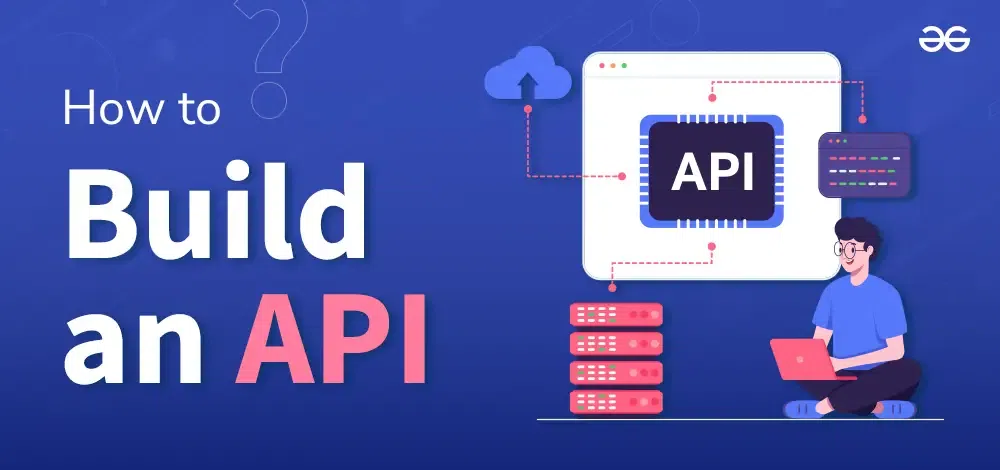
Building Scalable APIs
Learn how to design and build scalable RESTful and GraphQL APIs for production applications.
Designing APIs for Scale
Building APIs that can handle growth requires careful planning, proper architecture, and adherence to best practices. Let's explore how to build APIs that scale.
RESTful API Design Principles
Follow REST conventions for predictable, maintainable APIs:
- Use proper HTTP methods (GET, POST, PUT, DELETE)
- Structure URLs hierarchically (e.g., /users/:id/posts)
- Return appropriate status codes
- Version your API (/api/v1/users)
// Good API design
GET    /api/v1/users
POST   /api/v1/users
GET    /api/v1/users/:id
PUT    /api/v1/users/:id
DELETE /api/v1/users/:id
Pagination and Filtering
Implement cursor-based pagination for large datasets and provide filtering capabilities:
GET /api/v1/users?
  limit=20&
  cursor=eyJpZCI6MTIzfQ==&
  filter[role]=admin&
  sort=-createdAt
Rate Limiting
Protect your API from abuse with rate limiting. Use Redis for distributed rate limiting:
const rateLimit = require('express-rate-limit')

const limiter = rateLimit({
  windowMs: 15 * 60 * 1000,
  max: 100,
  message: 'Too many requests'
})
Caching Strategies
Implement multi-layer caching for better performance:
- HTTP caching with ETags and Cache-Control headers
- Redis for application-level caching
- CDN caching for static content
Error Handling
Return consistent error responses with meaningful messages:
{
  "error": {
    "code": "VALIDATION_ERROR",
    "message": "Invalid email format",
    "field": "email",
    "statusCode": 400
  }
}
GraphQL for Flexible Queries
GraphQL allows clients to request exactly the data they need, reducing over-fetching and under-fetching:
query {
  user(id: "123") {
    name
    email
    posts {
      title
      createdAt
    }
  }
}
Database Optimization
Optimize database queries with proper indexing, connection pooling, and query optimization. Use database replicas for read-heavy workloads.
Monitoring and Logging
Implement comprehensive logging and monitoring:
- Log all requests and errors
- Track API performance metrics
- Set up alerts for anomalies
- Use APM tools like New Relic or Datadog
API Documentation
Use tools like Swagger/OpenAPI for interactive, always-up-to-date API documentation. Good documentation is crucial for API adoption.
Building scalable APIs is an iterative process. Start with solid foundations, measure performance, and optimize based on real-world usage patterns.
More Articles

TypeScript Best Practices
Essential TypeScript patterns and practices for writing maintainable and type-safe code.

Getting Started with Next.js 14
Learn how to build modern web applications with Next.js 14, including app router, server components, and more.

React Performance Optimization
Discover techniques to optimize your React applications for better performance and user experience.